

The useful 2026 sheet metal fabrication trends are those that change procurement evidence. Automation should be tested with a part baseline, on-demand supply with a released quotation and production gate, and nearshoring with total ownership cost and

A buyer's guide to turning automation, on-demand supply and supply-chain relocation into measurable quotation evidence.
What Sheet Metal Fabrication Trends 2026 Mean for Your Next Order
-
Home>
-
Blog>
-
Technology>
Sheet Metal Fabrication Trends 2026: Automation, On-Demand and Nearshoring
22
2026.11
The useful sheet metal fabrication trends in 2026 are not the technologies with the largest press release. They are the changes that alter the evidence a buyer should receive before approving a quotation, first article or volume release.
Automation, on-demand manufacturing and nearshoring are often presented as one optimistic story: faster, cheaper and closer. In procurement, each one becomes a separate question. Automation asks whether a controlled operation is actually repeatable. On-demand supply asks whether rapid engineering exchange survives the transition to production. Nearshoring asks whether a shorter chain has lower total ownership cost and a clearer owner when something goes wrong.
This guide is for OEM buyers, sourcing engineers and project leads who need to compare suppliers on the same basis. It does not rank machines or promise a universal lead time. It provides a method for converting headline trends into part-specific evidence, then carrying that evidence into the RFQ, first-article approval and batch release.
Three decisions to make before you quote in 2026
✓ Treat automation as a measured control loop for this drawing, not as proof from a machine list.
✓ Separate the speed of a quote from the technical clarity needed to release a sample and the capacity needed to sustain volume.
✓ Compare sourcing locations after normalising material, tooling, freight, inventory, quality and responsibility.
Three Trends Are Really Three Procurement Tests
A buyer should not ask, "Are you automated, on demand and near shore?" Each word means something different in a quotation. The correct question is what changes in the production route and what record proves the change.
A machine can perform a repeated motion without proving that the complete part is stable. A digital quotation can be generated without proving that the tooling, material and inspection route have been reviewed. A supplier can be geographically closer without offering shorter qualification, clearer engineering or lower total landed cost.
The comparison below therefore uses the offer as the unit of analysis. Each trend has a buyer question, a useful source of evidence and a hidden failure that may not appear in the headline price.
Table 1. Convert a trend headline into something a buyer can test.
| Trend | Buyer question | Evidence to request | Failure hidden by the headline |
|---|---|---|---|
| Automation | Which operation becomes more repeatable for this part? | Baseline cycle, setup, first-pass yield, scrap, rework and inspection result | Inspection works, but exception handling and changeover remain manual and uncontrolled |
| On-demand | Where do fast quote, DFM, sample and production end? | Revision-controlled drawing, assumptions, tooling plan and inspection plan | A fast entry is treated as a delivery promise before the process is released |
| Nearshoring | Does a shorter supply chain lower total cost and total risk? | Landed cost, qualification, inventory, capacity, backup and recall ownership | Labour proximity is compared with offshore price while freight, quality and management cost are left out |
This approach also protects a good supplier from being compared with a weaker offer. If one quote assumes customer-owned tooling and another assumes new tooling, the apparent price gap may belong to the tooling boundary, not the manufacturing capability. If one package includes first-article documentation and the other leaves it to a later change order, the buyer is comparing different products.
Automation: Measure the Control Loop, Not the Machine Count
Automation is becoming more widespread, but density is only context. The buyer still needs to know what becomes repeatable on this part and how an abnormal part is prevented from moving to the next operation.
The International Federation of Robotics reported on 12 November 2026 that the global manufacturing average reached 152 industrial robots per 10,000 employees. China reached 193 units, with a 147% increase from 2020 through 2025. Those figures show that automated capacity is increasingly normal in manufacturing. They do not show that every fabricator's fixture, material flow, inspection and escalation are ready for a particular drawing.
152Global manufacturing robot density, industrial robots per 10,000 employees
193China robot density on the same IFR basis
147%Reported increase in China's robot density from 2020 through 2025
Data source: IFR World Robotics release, 12 November 2026. Values describe manufacturing context, not HULK Metal capability.
A useful automation review begins with the process route. For a laser-cut and bent enclosure, the controllable loop may include nesting, sheet handling, part removal, bend-program selection, tool clearance, in-process dimensional checks and segregation of suspect parts. For a welded assembly, it may include fixture location, torch path, heat input, weld inspection and rework authority.
When an automated cell checks only one variable, the rest of the route can still undermine repeatability. A vision system may detect a missing hole while a part with an incorrect bend sequence passes downstream. A robot may repeat a weld path while fixture wear changes the joint gap. A press may run faster while a manual pack-out step still mixes revisions. For upstream mechanics, use the approved Comprehensive Guide to Sheet Metal Bending to check radius, springback and tooling before a cycle-time claim is accepted.
Cut and form: request the nesting revision, flat pattern source, bend deduction basis, tooling constraints and first-piece check.
A credible baseline records cycle time, setup or changeover, first-pass yield, scrap and rework. The result should be tied to material thickness, finish and drawing revision, not an aggregate factory average.
Join and finish: request the approved weld or assembly method, fixture control, visual and dimensional criteria, coating preparation and repair authority.
Automation helps most when the operation has a repeatable datum and a measurable acceptance rule. If engineering tolerates a variable gap but the inspection record does not identify where it was measured, the data cannot support a trend claim.
Release control: define what happens when a sensor alarms, a first piece moves outside its window or the material certificate changes.
The control plan should name containment, recheck, repair or scrap, the person authorised to restart and the record that keeps suspect parts out of the good stock.
Purchasing rule: an automation claim is useful only when the supplier can name the part, process variable, baseline, measurement method and result that changed. A capacity photo and a generic ROI range do not meet that test.
Ask for the part-level pilot record even when the supplier already owns the equipment. The record does not need to disclose confidential customer details. It can use a representative drawing code, tolerance class, material, batch size and inspection result. What matters is whether the evidence covers the same failure modes the buyer is trying to prevent.
On-Demand Supply: A Fast Quote Is Only the Entry Point
On-demand manufacturing helps because it shortens the path from a usable model to a controlled offer. It becomes dangerous when a buyer treats that entry speed as proof that tooling, material, inspection and capacity are already released.
The engineering principle is supported by model-based data exchange. NIST's Digital Thread for Manufacturing project explains that product design, manufacturing and quality information need to move in both directions. Its research states that model-based product-definition standards can reduce design-to-manufacturing cycle time and improve final part quality. That is an engineering mechanism, not a promise that every instant quote is production-ready.
Connected data test: ask whether the drawing revision, flat pattern, process route, inspection plan and packing instruction can all be retrieved from the same order identity. If not, the digital thread is interrupted even when the buyer uploaded a current 3D model.
A custom sheet metal part still has physical gates. The material may need a particular mill finish or thickness tolerance. A bend may require a tool that is not mounted. A hole may close after forming. A finish may require masking that is absent from the model. A first article may be approved before the coating thickness or thread condition is measured.
Speed question: what event does the quoted lead time start and stop? Data review, material release, sample approval and volume production are different milestones and should not share one unqualified number.
If forming geometry is still open, use the approved Introduction to Sheet Metal Forming to separate blank shape, bend allowance, springback and process capability before they enter a prototype request.
- Data intake. The drawing or model has a revision, units, material, thickness, finish, quantity and delivery basis. An instant estimate is labelled as provisional if any of these inputs is missing.
- DFM release. The supplier returns the manufacturability assumptions: process route, bend or tooling constraints, tolerance exceptions and finish-masking needs. The buyer accepts or revises them in writing.
- Sample definition. The sample has its own revision, inspection characteristics and acceptance record. Sample acceptance does not automatically release volume if the process route changes.
- Volume gate. Capacity, material lead time, tooling ownership, inspection sampling and change authority are confirmed before the production order is released.
The largest failure in an on-demand project is usually not a slow machine. It is an unspoken assumption carried from one stage to the next. A quotation can say "laser cut and bent" while leaving the edge condition, hole-to-bend relationship and coating repair to separate suppliers. A prototype can be accepted as a visual sample while the dimensional method is never recorded. A volume order can then inherit the ambiguity at a much larger cost.
Buyer rule: request three dates or ranges separately: quotation validity, sample readiness and volume readiness. Ask what each date depends on. One combined "fast lead time" hides the event that actually controls the buyer's project.
Change control carries equal weight. A model-based workflow is useful only when the revision used for the quote, tooling, inspection and packing is the same. If the buyer sends a new STEP file but the inspector continues with an old drawing, the digital thread has already broken. The supplier's change notice should identify the affected process, part, inspection characteristic and inventory.
Nearshoring: A Shorter Distance Is Not Automatically Lower Risk
Supply-chain relocation is real, but an announcement is not a completed capability. The useful purchasing question is how total ownership cost, technical ownership and recovery time change for this part family.
The Reshoring Initiative 2025 Annual Report reported 247,000 US manufacturing jobs announced through reshoring and foreign direct investment in 2025. The figure is a useful indicator of investment direction. It is not net employment, a measure of completed capacity or evidence that a particular supplier can make a particular bracket, enclosure or welded assembly.
Nearshoring can improve response time when engineering support, replacement parts and escalation are genuinely closer to the buyer. It can also create a new qualification burden. The new source may need tooling, process validation, samples, customer approval and a period of yield learning. Those costs can outweigh freight savings if the annual volume is small or the part has a difficult finish.
What the announced-jobs figure does not show: which jobs are already filled, which factories are producing approved parts, and which suppliers can meet this drawing. Those questions require a supplier-level record.
Use a total-cost view rather than a unit-price comparison. Include material, tooling, freight, duties, packaging, inventory, inspection, engineering time, expediting and the cost of a quality escape. Then add a separate risk view. A location may be closer yet have no qualified backup for a critical coating. A farther supplier may have a more mature process and a stronger record for the exact material.
Table 2. Compare supply-chain models by ownership and recovery, not distance alone.
| Decision area | Near-shore single source | Offshore single source | Dual source |
|---|---|---|---|
| Response distance | Low movement time | Longer freight and expedite path | Good if both routes are qualified |
| Qualification burden | New source may need full approval | Existing source may already be approved | Two approvals and repeated validation |
| Cost transparency | Lower freight can hide higher labour | Low piece price can hide inventory | Duplicate setup and management cost |
| Recovery and accountability | Clearer time zone and owner | Depends on supplier systems | Backup exists if scope is real |
| Technical fit | Unknown until process is proven | Proven only for that supplier | Both sources must meet one specification |
A dual-source strategy is not automatically more resilient. Two suppliers that use the same material mill, the same coating subcontractor or the same port can fail together. The buyer should map hidden common dependencies rather than count supplier names. A genuine second source needs independent capacity, an approved process route and a release record that remains valid when the primary source is unavailable.
Risk rule: a shorter route earns attention only when it reduces a named risk. If the buyer cannot say whether the benefit is freight, response time, inventory, tariff exposure or engineering support, the relocation is not yet a decision.
Build One Evidence Bundle for Every Supplier
Comparable quotations need a common evidence bundle. Without it, the buyer compares a mature package with a conceptual package and rewards whichever supplier wrote fewer assumptions.
The bundle does not need to be large. Four blocks are enough for the first review: commercial basis, technical release, quality evidence and supply plan. Each block should state the owner, revision and open question. A missing item is easier to see than a hidden assumption.
Commercial basis: quote currency, validity, Incoterm, annual and launch quantities, tooling ownership, payment and changes to the delivery basis.
A price without quantity and delivery basis cannot be compared with another offer.
Technical release: drawing revision, material, thickness, finish, critical dimensions, process route, flat pattern and approved exceptions.
The quotation should point to the same revision that production and inspection will use.
Quality evidence: inspection plan, first-article characteristics, sample method, batch traceability, nonconformance route and final-release criteria.
A certificate alone does not replace a dimensional and visual acceptance record.
Supply plan: material source, tooling location, capacity assumption, packaging, ship-to route, escalation owner and second-source arrangement where required.
Nearshore, offshore or domestic is a label only after these dependencies are visible.
A small RFQ can carry this bundle in a cover sheet plus the drawing and model. For a complex assembly, add a component schedule and interface register. The point is not extra administration. It is to make every supplier answer the same question before the buyer invests time in a detailed technical review.
When finish is part of the technical release, use the approved What Type Of Surface Treatment Can HULK Metal Provide? reference to keep coating preparation, masking and repair in the same evidence bundle.
Use a Weighted Scorecard Before Choosing the Supplier
A scorecard is useful when the weights are agreed before the offers arrive. Otherwise the buyer reverses the scoring to justify the lowest price or the most familiar supplier.
Start with the manufacturing problem rather than the supplier category. A cosmetic enclosure may value finish consistency and packing more than raw tonnage. A structural bracket may value material traceability and dimensional capability more than a fast quote. A field-retrofit assembly may give extra weight to revision control, adjustable interfaces and response speed.
Table 3. A starting scorecard for trend claims. Change the weights for the actual part.
| Criterion | Question | Pass evidence | Red flag |
|---|---|---|---|
| Technical fit | Can the route meet the drawing and finish? | DFM note, process route and tolerance exceptions | "All tolerances standard" without a drawing review |
| Repeatability | What proves a stable first-pass result? | Baseline, sample plan and measured pilot result | Machine list without part-specific data |
| Release control | Can the revision remain identical through production? | Revision log, change owner and affected-item list | Approval scattered across email threads |
| Total cost | What is included beyond piece price? | Tooling, freight, packaging, inspection and inventory basis | Quotes with different Incoterms treated as equal |
| Recovery | Who owns a defect, delay or engineering query? | Named contact, response path and escalation limit | Second source named but never qualified |
The score should remain advisory. A high total does not cancel a red-line failure in material, safety, regulatory or customer-specified acceptance. Conversely, a supplier with a strong process but a missing document can often close the gap before award. The scorecard helps the buyer ask the next question instead of producing a false decimal ranking.
A 90-Day Pilot That Proves the Trend
A credible trend claim should survive a small, bounded pilot. The pilot does not need to reproduce annual capacity. It needs to prove the control point that matters to the buyer.
Choose one representative part. Record the current or quoted baseline before the pilot begins. Agree the variables that will be measured and the conditions that would stop the trial. This prevents a successful visual sample from being used as evidence for dimensional repeatability, coating consistency or volume readiness that was never tested.
- Days 1-10: freeze the problem. Approve the drawing, material, finish, volume assumption, critical characteristics and acceptance method. Record the current process or quote assumption.
- Days 11-30: prove the route. Complete DFM, tooling and process review. Build a first sample or a small pre-series lot. Measure the agreed characteristics and contain every nonconformance.
- Days 31-60: expose variation. Repeat the run with a controlled change in material lot, operator shift, tool condition or setup where relevant. The supplier must show how the variation is detected and controlled.
- Days 61-90: release with a contract. Update the control plan and quotation. Confirm capacity, change authority, documentation, packaging and recovery responsibility before volume.
A pilot can fail usefully. If the supplier cannot explain a dimensional shift, a coating defect or a changeover delay, the buyer has found the boundary before it becomes a production claim. A failed pilot followed by a controlled redesign is stronger evidence than an untested promise.
For an on-demand transfer, include the quotation and engineering handoff in the pilot. Record how long each review actually required and which questions remained open. For an automation claim, record the baseline and the post-change result on the same part. For nearshoring, run a total-cost and recovery table beside the trial so the commercial benefit is not inferred from distance.
Where HULK Metal Fits, and Where We Stop
HULK Metal can support the buyer's evidence-based route through a documented sheet metal workflow: drawing review, laser cutting, punching, bending, forming, stamping, welding, assembly, surface treatment and inspection.
The approved company fact sheet records a custom range of 50-1,200 mm in width, 10-200 mm in height and 0.5-3.0 mm in material thickness. It records raw-material tolerance of ±0.05 mm and finished-product size tolerance of ±2 mm. These are release inputs and capability boundaries; they are not a statement that every geometry, material, finish or load case has the same result.
Tolerance scope: raw-material tolerance and finished-product tolerance answer different questions. The drawing and inspection plan must name the characteristic, unit and applicable limit.
The quality sequence begins with raw-material verification, continues through production inspection and ends with finished-product checks covering dimensions, performance and other requirements. HULK Metal also identifies itself as an ISO 9001 certified factory. The buyer should still specify the project's inspection plan, because a management-system certificate does not prove every drawing characteristic or every batch result.
We do not publish an automation rate, changeover time, monthly capacity, MOQ or delivery promise in this article because those figures are not confirmed for this page. The honest boundary is more useful: provide the drawing, volume, material, finish, acceptance and delivery inputs, and HULK can define the process and evidence for that project instead of asking the buyer to infer a capability from the word "automation."
Frequently Asked Questions
What do sheet metal fabrication trends 2026 mean for a buyer?
They turn three vague claims into RFQ tests: repeatability, release control and total ownership cost. If the offer cannot answer them, the buyer is comparing slogans.
Does automation always reduce the cost per sheet metal part?
No. It can reduce a repeated cycle, stabilise quality or lower changeover, but the benefit depends on volume, part family, fixture cost, programming, maintenance, inspection and remaining manual work. A supplier should show a baseline and the same measured result after the change. Without that record, a machine count cannot establish cost or quality.
Is a nearshore supplier automatically more resilient?
No. Proximity can shorten communication and freight, but resilience also depends on qualified capacity, material sources, tooling, quality systems, backup operations and the ability to recover from a complaint. A second supplier that depends on the same coating subcontractor or material mill may not provide real independence.
Can I use the approved ±0.05 mm and ±2 mm figures as one blanket tolerance?
No. The first is a raw-material tolerance and the second is a finished-product size tolerance. The drawing and inspection plan must name the characteristic and the applicable acceptance rule.
What should be included in a first RFQ?
Send a revision-controlled 2D drawing and STEP model where available, material and thickness, finish, annual and launch quantities, critical dimensions, inspection expectations, ship-to location and target milestone. If the drawing has open geometry or finish masking, mark it rather than filling the gap with a general assumption.
How do I control change between prototype and production?
Keep one revision log from quotation through sample, first article and volume. Each change should identify the affected part geometry, process, tooling, inspection characteristic and existing inventory. The supplier's notice should also state which records are invalidated and what must be repeated. A new model sent by email without an accepted change record is not a production release. This matters most when the prototype used a temporary fixture, manual operation or finish sample that will not be present in volume.
When is a second source worth the extra cost?
It is most defensible when the buyer can name the failure it protects against and both suppliers pass the same specification. The cost includes duplicate tooling, qualification, inspection and management. It is not a free option, and it does not eliminate a common upstream dependency.
What to Put in the RFQ
A useful RFQ does not ask the supplier to follow a trend. It asks for evidence that the selected route can produce the part and that the commercial offer uses the same assumptions.
Prepare the package before comparing offers. The checklist below is a practical minimum; add part-specific regulatory, load, finish or packaging requirements where they apply.
0 of 6 evidence items ready
Turn the trend discussion into a comparable quotation
Send HULK Metal the drawing, volume, material, finish, inspection expectation and delivery constraint. We can review the process route and identify the open assumptions before a quotation becomes a production promise.
Evidence first: macro data can explain why the industry is changing. Your drawing and acceptance record determine whether a supplier can make the decision work.
HULK Metal
Industries HULK Metal Served
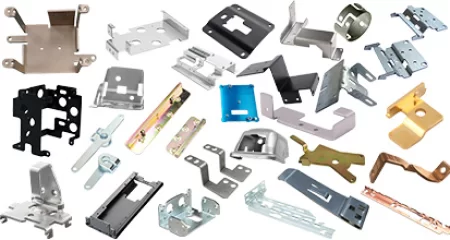
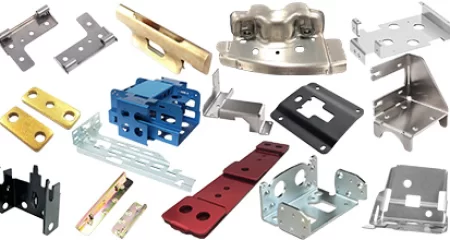
HULK Metal supports custom sheet metal parts, enclosures, brackets, panels, assemblies and related formed components. The quotation can connect drawing review, cutting, forming, welding, surface treatment, assembly and inspection to one revision-controlled package. Buyers can therefore compare material, process route, acceptance records and delivery assumptions as part of the same requirement instead of evaluating unrelated brochures or equipment lists without a shared scope.
-
 Cable Tray Support Systems: C-Channel Brackets, Hangers and Ceiling Supports
Select cable tray support systems by fixing surface, route geometry and load path, then coordinate bracket, channel, rod, fastener and finish before RFQ.
READ MORE
-
HULK Metal Wire Mesh Cable Tray Standard Tee for Continuous Branch Routing
HULK Metal supplies wire mesh cable tray standard tees in mild steel, aluminium and stainless steel, with EG, HDG, ZAM or powder-coated finishes for project branch routes.
READ MORE
-
L-Shaped Wall Brackets for Wire Mesh Cable Trays on Side Walls
One formed L bracket replaces a bracket-and-channel assembly on wall-hugging wire mesh runs. Four arm lengths cover trays from 100 mm to 300 mm wide on a shared 168 mm plate.
READ MORE
-
Wall Brackets That Mount a Perforated Cable Tray to a Side Wall
HULK Metal WB wall brackets mount a perforated cable tray on a side wall, with arm lengths from WB-100 to WB-700, steel, aluminum and stainless options and EG, HDG, AZM or PC finishes.
READ MORE
-
Vertical Adjust Coupler for Cable Tray Level Changes
VAC-series vertical adjust couplers join perforated cable trays at level changes, sized by side height from 50 to 200 mm, in steel, aluminum and stainless with four finishes.
READ MORE
-
Hold Down Brackets That Lock Perforated Cable Trays to Their Supports
HULK Metal hold down brackets HDB-50 to HDB-200 fix perforated cable trays to C Channel 41x41 supports, with custom heights and finishes.
READ MORE
-
Ceiling Bracket-A with Vertical Posts for Cable Tray Support
Ceiling Bracket-A (CB A) suspends cable trays under ceilings with vertical posts and crossbar, heights 300-3000 mm, hot-dip galvanized, load tested to DIN EN IEC 61537.
READ MORE
-
C Channel 41x41 Brackets That Carry Tray and Pipe Supports
HULK Metal C41 brackets for 41x41 C channel framing, in 100-900 mm lengths with HDG finish and published safe working loads.
READ MORE
-
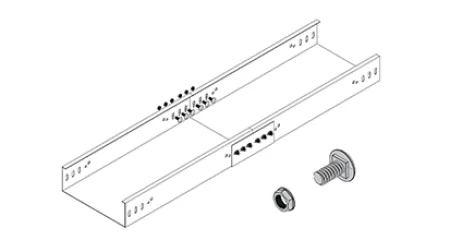
Cable Tray Bolt and Nut for Ceiling Suspension
HULK Metal bolt and nut sets suspend perforated cable trays under ceilings. Four catalog codes cover M6 to M12, with matched finishes for indoor and outdoor runs.
READ MORE
-
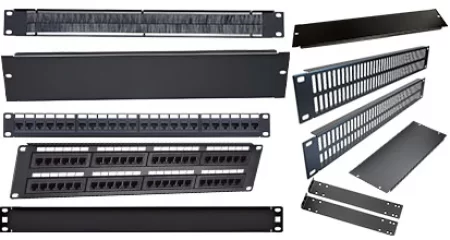
Custom OEM Server Rack Blank Panels
Custom OEM Server Rack Blank Panels—designed for precision, aesthetics, and tailored functionality. Engineered to seamlessly fill your server rack spaces, our panels offer robust protection and a refined finish.
READ MORE
-
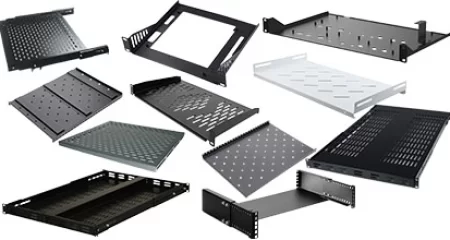
Custom Network Server Tray
Discover the ultimate in custom network server tray design and manufacturing. At HULK Metal, we specialize in delivering bespoke solutions that meet every client's unique requirements with precision and reliability.
READ MORE
-
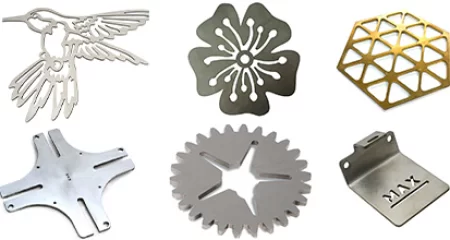
Laser Cutting Metal Parts Factory
We can develop a complete solution based on your server switch rack enclosure cabinets drawings, quantity, delivery time, transportation method and other requirements, allowing you to complete higher quality procurement tasks more easily.
READ MORE
-
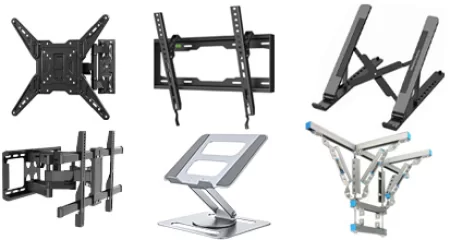
Custom Metal Brackets Factory In China
We can select the appropriate process, make molds, and complete the production of metal brackets according to your drawings, materials, tolerances, quantities and other requirements.
READ MORE
-
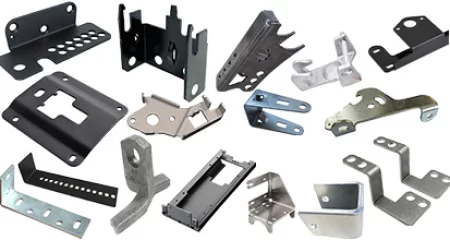
Carbon Steel Stamping Parts Factory in China
At HULK Metal, we specialize in the design and production of custom carbon steel stamping parts. Our advanced facilities and experienced team ensure that every product meets the highest standards of quality, precision, and functionality.
READ MORE
-
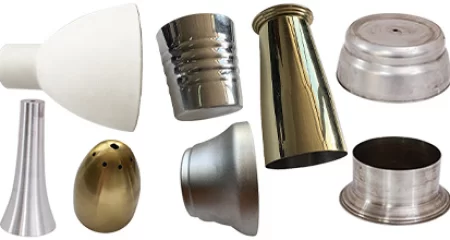
Sheet Metal Spinning Parts Factory In China
HULK Metal is committed to providing high-quality sheet metal spinning parts OEM services to customers around the world. We have an ISO 9001 certified factory and integrated supply chain.
READ MORE
-
Stainless Steel Stamping Parts Factory In China
HULK Metal is one of the top OEM service providers in China with an ISO9001 certified stainless steel stamping parts factory. Contact us to get the latest discount prices.
READ MORE
-
Aluminum Stamping Parts Factory In China
HULK Metal is a well-known sheet metal parts manufacturer in China, which provides complete solutions to produce higher quality customized sheet metal parts at lower prices.
READ MORE
-
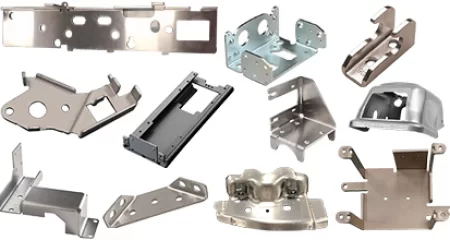
Sheet Metal Parts Manufacturer In China
HULK Metal is a well-known sheet metal parts manufacturer in China, which provides complete solutions to produce higher quality customized sheet metal parts at lower prices.
READ MORE
-
Precision Metal Stamping Parts Manufacturer
HULK Metal's factory has passed ISO 9001 and ISO 16949 double certification, with rich experience in precision stamping parts production, and is one of the top suppliers in China.
READ MORE
-
OEM Auto Metal Stamping Parts Factory
Our factory is certified by ISO 9001 and ISO 16949. Our experienced technical team can develop a more complete solution according to the drawings and requirements.
READ MORE
-
Stamped Steel Parts Factory
Stamped steel parts are made of carbon steel, alloy steel, and other plates into workpieces with specific shapes and functions using stamping processes such as blanking, bending, bulging, spinning, shrinking, flanging, etc.
READ MORE
-
Metal Stamping Parts Factory
HULK Metal is an ISO 9001 certified metal stamping factory that can provide you with high-quality OEM stamping services such as blanking, bending, drawing, forming, spinning, etc.
READ MORE
-
China OEM Metal Stamping Parts
We have abundant stamping factory resources and a complete supply chain to provide high-quality metal stamping parts OEM services. We have accumulated rich experience in OEM for hundreds of customers around the world and thousands of products.
READ MORE

More Results
HULK Metal's Sheet Metal Factory
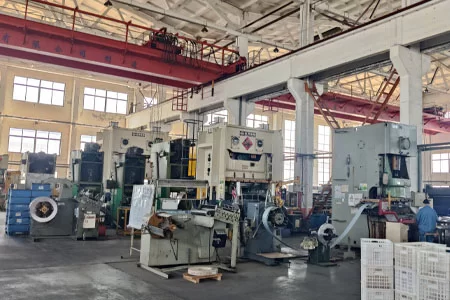
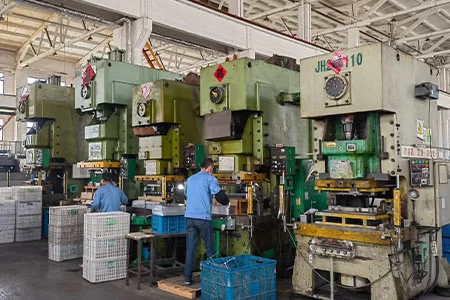
Our manufacturing route links drawing review, laser cutting, punching, bending, forming, stamping, welding, assembly, surface treatment and quality inspection. Approved dimensions and tolerances are carried into production and acceptance records so a sample, batch and shipping package can refer to the same released revision. This gives the buyer a practical point for resolving manufacturability and change questions before the process is frozen.


-
![Choose a Chinese OEM for Server Rack Trays]()
March 25, 2025
Choose a Chinese OEM for Server Rack Trays
READ MORE
-
![Metal Stamping OEM Factory in China]()
March 25, 2025
Metal Stamping OEM Factory in China
READ MORE
-
![HULK Metal Stamping Factory Show]()
November 21, 2024
HULK Metal Stamping Factory Show
READ MORE
-
![HULK Metal Fabrication]()
October 18, 2024
HULK Metal Fabrication
READ MORE
-
![Industrial Cable Tray Management: Route, Supports and Segregation]()
November 20, 2026
Industrial Cable Tray Management: Route, Supports and Segregation
READ MORE
-
![Fire Rated Cable Tray: Coatings, Barriers and Evidence Buyers Need]()
November 18, 2026
Fire Rated Cable Tray: Coatings, Barriers and Evidence Buyers Need
READ MORE
-
![Sheet Metal Fabrication Materials: Cold Rolled vs Galvanized vs Stainless]()
November 17, 2026
Sheet Metal Fabrication Materials: Cold Rolled vs Galvanized vs Stainless
READ MORE
-
![Sheet Metal Finishing Options: Powder, Plating or Anodize]()
November 16, 2026
Sheet Metal Finishing Options: Powder, Plating or Anodize
READ MORE
-
![Cable Tray Cost Drivers: Material, Coating and Quantity]()
November 14, 2026
Cable Tray Cost Drivers: Material, Coating and Quantity
READ MORE
-
![Fabrication vs Machining vs Casting: A Metal Part Decision Guide]()
November 07, 2026
Fabrication vs Machining vs Casting: A Metal Part Decision Guide
READ MORE
-
![Automotive Sheet Metal Fabrication: Grades, Coatings and Tolerances]()
November 06, 2026
Automotive Sheet Metal Fabrication: Grades, Coatings and Tolerances
READ MORE
-
![Sheet Metal Ductwork Design: Sizing, Seams and Airflow]()
October 24, 2026
Sheet Metal Ductwork Design: Sizing, Seams and Airflow
READ MORE
-
![Designing Fabricated Brackets: Ribs, Holes and Loads]()
October 23, 2026
Designing Fabricated Brackets: Ribs, Holes and Loads
READ MORE
-
![Prototype Sheet Metal Parts vs Production Fabrication: Tooling, Risk and Lead Time]()
October 22, 2026
Prototype Sheet Metal Parts vs Production Fabrication: Tooling, Risk and Lead Time
READ MORE
-
![Powder Coating vs Plating for Sheet Metal Parts: Fit, Corrosion and Current Path]()
October 22, 2026
Powder Coating vs Plating for Sheet Metal Parts: Fit, Corrosion and Current Path
READ MORE
-
![CNC Machining Stamped Parts: When the Press Is Not the Last Operation]()
October 21, 2026
CNC Machining Stamped Parts: When the Press Is Not the Last Operation
READ MORE
-
![Cable Tray Vertical Bend Guide: Metal Bending for Inside and Outside Risers]()
October 20, 2026
Cable Tray Vertical Bend Guide: Metal Bending for Inside and Outside Risers
READ MORE
-
![Strut Channel Load Ratings: Match Profile, Axis and Fittings to the Support]()
October 19, 2026
Strut Channel Load Ratings: Match Profile, Axis and Fittings to the Support
READ MORE
-
![Fasteners vs Welding in Sheet Metal Assembly]()
October 19, 2026
Fasteners vs Welding in Sheet Metal Assembly
READ MORE
-
![Cable Tray Manufacturing: Six Control Points Between the Coil and the Container]()
October 16, 2026
Cable Tray Manufacturing: Six Control Points Between the Coil and the Container
READ MORE
-
![Metal Stamping Material Yield: Coil Width, Strip Layout and the Scrap You Pay For]()
October 16, 2026
Metal Stamping Material Yield: Coil Width, Strip Layout and the Scrap You Pay For
READ MORE
-
![How to Choose a Stamping Die: Matching the Tooling to Part Geometry and Volume]()
October 15, 2026
How to Choose a Stamping Die: Matching the Tooling to Part Geometry and Volume
READ MORE
-
![Cable Raceway vs Cable Tray: What US Buyers Mean and How to Specify]()
October 15, 2026
Cable Raceway vs Cable Tray: What US Buyers Mean and How to Specify
READ MORE
-
![Metal Stamping Defects: From Symptom to Station to Fix]()
October 13, 2026
Metal Stamping Defects: From Symptom to Station to Fix
READ MORE
-
![Metal Stamping Tolerances: What Each Process Layer Can Hold]()
October 12, 2026
Metal Stamping Tolerances: What Each Process Layer Can Hold
READ MORE
-
![Powder Coating vs Galvanizing for Cable Trays: Where Each Finish Fails and How to Repair It]()
October 10, 2026
Powder Coating vs Galvanizing for Cable Trays: Where Each Finish Fails and How to Repair It
READ MORE
-
![OEM Sheet Metal Fabrication: From RFQ to Volume Production]()
October 10, 2026
OEM Sheet Metal Fabrication: From RFQ to Volume Production
READ MORE
-
![Fabrication QC Checklist: Dimensions, Weld and Finish]()
October 09, 2026
Fabrication QC Checklist: Dimensions, Weld and Finish
READ MORE
-
![Cable Ladder Incoming Inspection: The 7 Checks Buyers Keep Missing]()
October 08, 2026
Cable Ladder Incoming Inspection: The 7 Checks Buyers Keep Missing
READ MORE
-
![Sheet Metal Bending Defects: Causes, Fixes and the Pre-Shipment Checks]()
October 08, 2026
Sheet Metal Bending Defects: Causes, Fixes and the Pre-Shipment Checks
READ MORE
-
![Wire Mesh Cable Tray Installation - Cutting, Bending and Support On Site]()
October 08, 2026
Wire Mesh Cable Tray Installation - Cutting, Bending and Support On Site
READ MORE
-
![MIG vs TIG vs Laser Welding for Sheet Metal]()
September 30, 2026
MIG vs TIG vs Laser Welding for Sheet Metal
READ MORE
-
![Tray, Conduit or Trunking: A Selection Guide]()
September 30, 2026
Tray, Conduit or Trunking: A Selection Guide
READ MORE
-
![Stamping vs Fabrication: Presses, Brakes and Volumes]()
September 30, 2026
Stamping vs Fabrication: Presses, Brakes and Volumes
READ MORE
-
![Bending Sheet Metal: Radii, Springback and Tooling]()
September 29, 2026
Bending Sheet Metal: Radii, Springback and Tooling
READ MORE
-
![Laser Cutting vs Shearing - Kerf, Speed and Edge Quality]()
September 27, 2026
Laser Cutting vs Shearing - Kerf, Speed and Edge Quality
READ MORE
-
![Designing Sheet Metal Enclosures: Ventilation, Sealing and EMC]()
September 27, 2026
Designing Sheet Metal Enclosures: Ventilation, Sealing and EMC
READ MORE
-
![How to Control Bend Allowance and K-Factor - A Shop-Floor Method for Sheet Metal Flat Patterns]()
September 27, 2026
How to Control Bend Allowance and K-Factor - A Shop-Floor Method for Sheet Metal Flat Patterns
READ MORE
-
![How to Spec Sheet Metal Fabrication: Materials, Tolerances, Finishes]()
September 27, 2026
How to Spec Sheet Metal Fabrication: Materials, Tolerances, Finishes
READ MORE
-
![Curved or Routine? Choosing the Right Cable Ladder Elbow for the Route]()
September 21, 2026
Curved or Routine? Choosing the Right Cable Ladder Elbow for the Route
READ MORE
-
![Cable Tray Fill Calculation: From a Cable Schedule to Width, Depth and Spare Capacity]()
September 14, 2026
Cable Tray Fill Calculation: From a Cable Schedule to Width, Depth and Spare Capacity
READ MORE
-
![Connecting New Tray to an Existing Run: Angles, Reducers and Tolerances]()
September 11, 2026
Connecting New Tray to an Existing Run: Angles, Reducers and Tolerances
READ MORE
-
![Cable Tray Support Spacing and Bracket Selection: A Field Guide]()
September 11, 2026
Cable Tray Support Spacing and Bracket Selection: A Field Guide
READ MORE
-
![Which Cable Tray Type Wins by Industry: A 2026 Selection Matrix for Data Halls, Solar Farms and Process Plants]()
September 10, 2026
Which Cable Tray Type Wins by Industry: A 2026 Selection Matrix for Data Halls, Solar Farms and Process Plants
READ MORE
-
![Cable Tray Installation: A Field Guide to Supports, Spacing and Bonding]()
August 19, 2026
Cable Tray Installation: A Field Guide to Supports, Spacing and Bonding
READ MORE
-
![2026 Cable Tray Trends: Renewables and Data Halls Reshape the Specification]()
August 18, 2026
2026 Cable Tray Trends: Renewables and Data Halls Reshape the Specification
READ MORE
-
![Metal Deep Drawing: A Comprehensive Guide]()
March 24, 2025
Metal Deep Drawing: A Comprehensive Guide
READ MORE
-
![Comprehensive Guide to Sheet Metal Bending]()
March 21, 2025
Comprehensive Guide to Sheet Metal Bending
READ MORE
-
![Sheet Metal Spinning]()
March 21, 2025
Sheet Metal Spinning
READ MORE
-
![A Suitable OEM Factory for Your Network Server Blank Panels]()
February 28, 2025
A Suitable OEM Factory for Your Network Server Blank Panels
READ MORE
-
![A Comprehensive Guide to Network Server Racks]()
February 26, 2025
A Comprehensive Guide to Network Server Racks
READ MORE
-
![Comprehensive Guide to Sheet Metal Spinning]()
December 04, 2024
Comprehensive Guide to Sheet Metal Spinning
READ MORE
-
![Introduction to Sheet Metal Forming: Processes, Materials, and Choosing the Right Partner]()
October 29, 2024
Introduction to Sheet Metal Forming: Processes, Materials, and Choosing the Right Partner
READ MORE
-
![Comprehensive Guide to Sheet Metal Cutting: Methods, Materials, and Choosing the Right Partner]()
October 25, 2024
Comprehensive Guide to Sheet Metal Cutting: Methods, Materials, and Choosing the Right Partner
READ MORE
-
![Comprehensive Guide to Sheet Metal Blanking]()
October 24, 2024
Comprehensive Guide to Sheet Metal Blanking
READ MORE
-
![Comprehensive Understanding of Sheet Metal Welding]()
September 30, 2024
Comprehensive Understanding of Sheet Metal Welding
READ MORE
-
![8 Types of Sheet Metal Assembly Technology and Their Processes and Applications]()
September 27, 2024
8 Types of Sheet Metal Assembly Technology and Their Processes and Applications
READ MORE
-
![The Most Comprehensive Introduction To Metal Stamping Dies]()
September 24, 2024
The Most Comprehensive Introduction To Metal Stamping Dies
READ MORE
-
![Introduction to Metal Stamping Processes]()
September 19, 2024
Introduction to Metal Stamping Processes
READ MORE






leave a message