We have advanced CNC laser, plasma, and flame cutting machines. We can provide 0.1~45mm metal plate cutting services. The accuracy can reach ±0.05µm. Kindly contact us and send us drawings or samples. We will give you a more cost-effective solution.
When your product needs to be cut or used as a pre-processing step, you need to choose the appropriate cutting method. Different materials and thicknesses, as well as the edge performance requirements of the accessories after cutting, all need to be considered when choosing the cutting method. Our laser cutting can complete most metal plate cutting work below 30mm. The minimum slit can reach 0.02mm (0.1mm thick metal plate). We will develop a complete solution based on your drawings and samples and achieve efficient, high-precision cutting through programming. Complete your order quickly.
SHEET METAL CUTTING PRODUCTION LINE
Below is shown a demonstration of our cutting center programming, cutting, and sheet metal cutting parts. You can contact us if you would like to learn more about our production capabilities. Our sales manager will take you to visit the factory online or on-site.
01
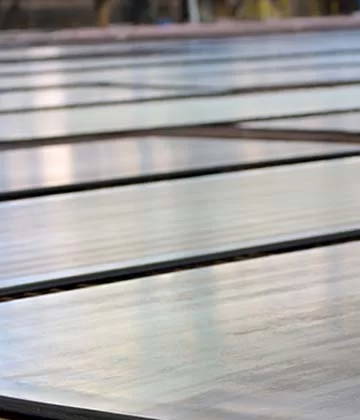
Cutting Slit Show
The cut surface is smoother than other cutting methods.
02
Advanced Fully Automatic Laser Cutter
Realize fully automatic production of sheet metal cutting parts through programming.
03
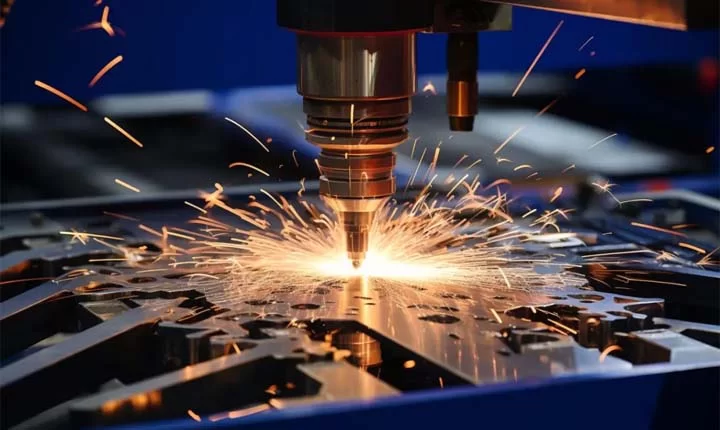
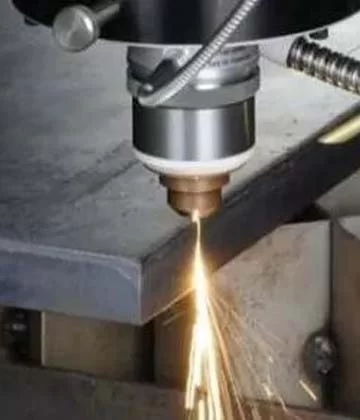
Cutting
The process of laser cutting sheet metal, it's so beautiful.
04
Metal Plate Cutaway Show
The thinnest slits of laser cutting can reach 0.02mm and will become larger and larger as the thickness of the plate becomes wider.
05
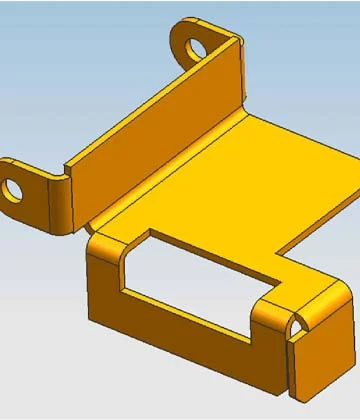
Programming
Our engineers use CAD to complete cutting programming according to drawings to achieve more efficient cutting.
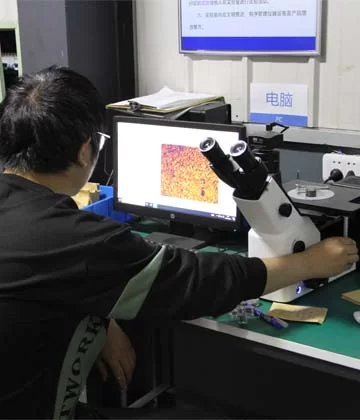
QUALITY CONTROL CENTER
Our quality control center can complete the testing of sheet metal cutting parts' tolerances, shapes, cut metal properties, chemical properties, and other mechanical properties according to your requirements.
HOW DO WE FULFILL ORDERS FOR SHEET METAL CUTTING PARTS
You can see the order completion process here. Due to limited space, we can only briefly describe it. Kindly contact us to experience our services, visit our factory, and get the latest quotation.
PART 01
Custom A Suitable Solution
Our service team will connect with you and develop a solution more suitable for you, including the cutting process, raw material procurement, production, quality inspection, packaging, and delivery, after an in-depth understanding of your needs. With this solution, you can save more costs.
PART 02
Formulate a Quality Inspection Plan
The quality inspection center will formulate a comprehensive testing plan based on the performance requirements of sheet metal cutting parts and conduct various performance tests of raw materials, semi-finished products, and finished products. Each order is accompanied by inspection reports of materials and finished products.
PART 03
Programming
The technical team will use CAD and other cutting programming software to design the program for the CNC laser cutting machine based on the drawings or samples. A high-quality program can cut sheet metal parts more efficiently and maintain higher repeatability.
PART 04
Make Samples
We will trial-produce multiple samples according to the process of the solution, leave a few for quality inspection ourselves, and then send them to you for testing. In this way, detection criteria are the same at both ends.
PART 05
Raw Material Purchasing
We have close cooperation with raw material suppliers and can obtain lower supply prices than those on the market. When purchasing in larger quantities, the purchase price will be more advantageous. The purchased raw materials will be put into production after passing strict physical and chemical property testing.
PART 06
Cutting
Laser cutting is used to cut sheet metal parts below 30mm. Digital control ensures cutting efficiency and repeatability. Finer cutting seams and smoother cutting surfaces allow us to save more processing costs and material costs. Cut parts can be stamped, welded, or packaged after machining and surface treatment.
PART 07
Machining
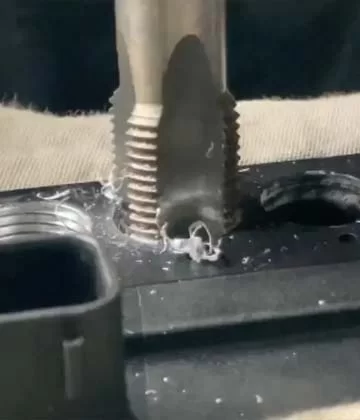
Carry out drilling, edge trimming, tapping, and processing of external edges. The processed sheet metal cutting parts can be subjected to subsequent surface treatment and assembly work.
PART 08
Surface Treatment
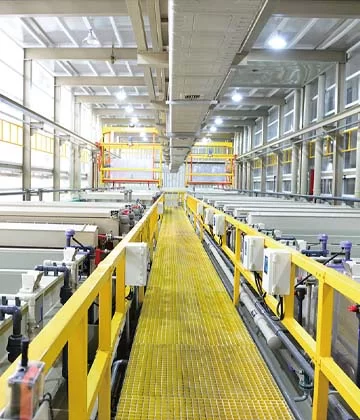
We will complete galvanizing, powder coating, electrophoresis, anodizing, and other treatments according to your requirements. We have close cooperation with surface treatment factories, and larger orders can obtain more price discounts.
PART 09
Packaging
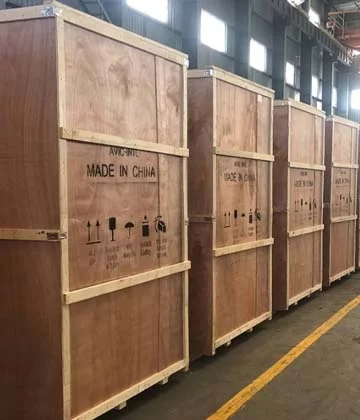
We provide customized services such as material and appearance. For corrugated boxes, kraft boxes, wooden boxes, and other packaging methods, We can supply isolation packaging for sheet metal stamping parts that need to protect their appearance.
PART 10
Warehousing
The packaged goods will be stored in our strictly managed warehouse, waiting for collective or batch shipment according to your needs.
PART 11
Delivery
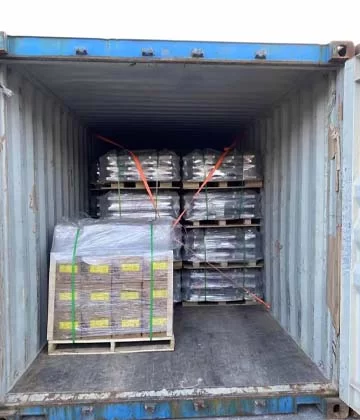
We have our own logistics team that can achieve rapid transfer of goods from the factory to the designated port. The freight consultation center can help you find a more suitable one from many freight companies.
PART 12
After Service
After-sales service will solve your goods quality problems, and we provide return, exchange, and replenishment services. You can contact our sales manager after discovering the problem, and we will propose a solution that satisfies you.
SHEET METAL CUTTING PARTS HULK METAL PRODUCED
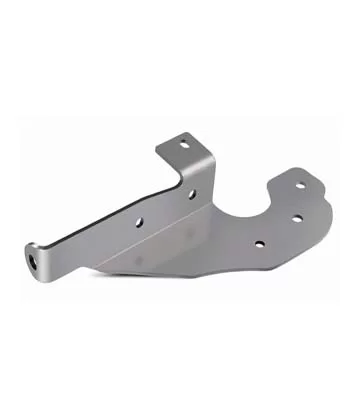
Shown here are some of the sheet metal cut parts we have produced since 2000. We have provided sheet metal cutting services to more than 20 industries. You can contact us for more suitable solutions and quotations.
More Results
YOU WILL GET AT HULK METAL
When you choose HULK Metal as a sheet metal cutting factory, you can get higher quality sheet metal cutting parts at lower prices from us, have an easier purchasing experience, and save more time and energy. The detailed reasons are explained to you below.
Get Higher Quality Parts
Our factory strictly implements ISO 9001 quality management, and every quality problem can be quickly found and solved. Advanced CNC cutting machine tools can achieve higher repeatability without any errors when without program errors and machine failures. The advanced quality control center and strict testing procedures all ensure quality. We also provide quality guaranteed after-sales service. So you can place your order with us with complete confidence.
Get Goods Faster
We will shorten the order production time by more rationally arranging the procurement time of raw materials and the production process sequence. Our outsourcing factories are very close to us, which reduces time wastage caused by long-distance transportation. The factory is located in a port city and has natural geographical advantages. We have warehousing, physical, and freight company consulting teams to achieve the perfect connection of goods from the factory to your hands.
Spend Less Money
The technical team will consider the tolerances, complexity, surface accuracy, surface treatment methods, and other requirements of sheet metal cutting parts to control the order cost by selecting a more appropriate production process and sequence. We can minimize costs without affecting product quality. We can also use the complete supply chain to save costs from raw materials, packaging, warehousing logistics, and cross-border freight when your purchase quantity is larger.
Spend Less Time & Energy
Perfect services can help you save more energy and time. We have established a full-service team, including sales, technology, procurement, production, quality inspection, logistics, international freight company consulting, and after-sales service personnel to serve you. Any problems you encounter during consultation, after placing an order, during the production process, or after the order is delivered will be solved promptly and effectively by them.
Supplier qualification, not a thickness lookup
A Sheet Metal Cutting Factory Is Qualified by the Route It Can Prove
Choose a sheet metal cutting factory on the route it will prove for your drawing, the edge condition the next operation needs, and the first-article and batch records it can show. A headline maximum thickness does not qualify a supplier.
The cutting process is decided before a nest is programmed. A laser-cut blank that feeds a press brake has different acceptance points from a plasma-cut structural plate that will be welded, or a sheared blank that only supplies a forming station. The factory should be able to say which cut line it is quoting, why that route fits the geometry, what the edge is expected to look like, and how the first part will be checked.
1. Route fit
Internal holes, slots, thick plate, straight blanks and heat-sensitive sheet do not ask the same cutting question.
2. Tolerance basis
Material thickness tolerance, product size tolerance and cut-edge acceptance are separate checks. Kerf is not a part tolerance.
3. Downstream cost
A burr, dross, bevel or heat-affected edge becomes deburring, grinding, weld prep or coating work after the cutting machine stops.
4. Release evidence
The drawing revision, material record, first-article result, in-process check and final report need to point to the same batch.
Start With the Drawing Feature, Not Only the Plate Thickness
Two parts made from the same grade and thickness can need different cutting routes. A rectangular blank with no internal feature may be faster to shear or blank. A panel with holes, slots and an internal contour usually needs a programmable contour-cutting route. A thick structural plate with a weld-prep edge may be routed differently from a visible cover where the edge will be seen after coating.
Use the following selector as a qualification prompt. With JavaScript available, the buttons show one drawing feature group. Without JavaScript, every row remains visible and the same information can be read in order.
All routes are shown. Select a drawing feature to narrow the comparison.
Route to compare
Best planning condition
Edge and downstream consequence
What the factory must verify
Fibre laser cutting programmable contour
Thin and medium sheet with internal holes, slots, notches or a contour that cannot be produced by a straight shear. The route is also useful when one program must reproduce a repeat part.
Narrow cut zone, small heat-affected band and a fine burr on many grades. The cut edge may be ready for bending, but hole diameter, hole-to-bend distance and kerf compensation still need a first-article check.
Review hole diameter against thickness, hole distance from the bend line, nesting direction, gas and focus setup, first-off dimensions and the burr or dross acceptance.
Plasma cutting thicker conductive plate
Thicker plate or structural profiles where removal rate matters and the cut edge will be welded, machined or cleaned before it becomes a functional or visible surface.
The kerf is wider than laser and the edge commonly has a bevel or dross. Those are not automatically defects; they are defects when the next operation cannot remove them or when weld fit-up depends on a square edge.
Agree the weld-prep condition, allowable dross, bevel and cleaning operation. Check whether the inspection datum is the cut edge or a machined edge after cleanup.
Flame cutting thick carbon steel
Thick carbon-steel plate where a rough structural edge is acceptable and later machining or welding is part of the route. It is a poor assumption for thin sheet, stainless, aluminium or a cosmetic edge.
Heat input can leave scale and a wider heat-affected zone. Distortion and cleanup time belong in the route decision, not only in the cutting price.
Confirm material suitability, heat input, scale removal, machining allowance and the inspection point after cleanup.
Shearing or blanking straight or repeat blank
Straight cuts or a repeat blank where a dedicated tool or shear can remove setup time. Internal holes and complex contours are outside the basic straight-shear task.
The edge can carry a burr or a burnished band. Tool wear and setup affect repeatability, so the first blank and periodic production samples matter.
Check tool condition, straightness, burr direction, blank dimensions and whether later forming or coating needs a deburred edge.
For a wider method comparison, read Comprehensive Guide to Sheet Metal Cutting. The factory page keeps the supplier-release question; the guide keeps the process-education question.
Four drawing checks that often change the route
Hole diameter versus sheet thickness
As a planning boundary, a laser-cut hole smaller than the sheet thickness is a distortion risk. The beam lingers in a small area, the hole can become tapered or out of round, and the true diameter may differ between entry and exit. If the hole is functionally critical, ask for drilling, a larger hole, or a documented alternative before the nest is released.
Hole edge versus bend line
A hole close to a bend line can be pulled into an oval or tear at the edge. Check the position with the intended inside radius and material, not with a single distance copied from another part. Move the hole, adjust the bend line or change the operation when the spacing is too tight.
Kerf versus tolerance
Kerf is the width of material removed by the cut. Programming compensates for it. The finished part still has its own dimensional and geometric requirements. Treating a quoted kerf as the part tolerance leaves out the datum, edge quality, machine condition and tolerance stack-up.
Long narrow slots in thin sheet
A long narrow slot can concentrate heat and let the surrounding sheet move. A different machine is one response; cut sequencing, a material web, a design change or moving the feature to a later operation are others. The factory should explain which control belongs in the program.
The Cut Edge Changes the Cost of the Next Operation
The cutting price is only one line in the part cost. A clean edge can go directly to bending or assembly. A burred edge may need deburring before handling. A plasma or flame edge may need grinding before welding. A heat-affected zone can matter when the part is thin, coated or visible. The factory should identify the edge condition that the next operation can accept, not simply quote the lowest cutting route.
Before bending
The cut outline establishes the flat pattern. Check the datum, bend direction and hole-to-bend distance. A deburred edge may be necessary before forming if the burr is on a handling or visible face. If the cut blank is outside the first-article limit, bending can multiply the error rather than correct it.
Before welding
A plasma or flame-cut edge may need cleaning to remove dross, scale or oxide before fit-up. A bevel changes the gap and can change weld parameters. The drawing should say whether the cut edge is the final weld-prep surface or whether machining is included.
Before coating
Burrs, dross, fingerprints and residual coolant interfere with a uniform coating or paint finish. A coated part may also need edge coverage and masking decisions. The cut edge should not be treated as a cosmetic surface unless the drawing and sample agree on what is acceptable.
Before assembly
Holes and slots that mate with another part need the same datum and tolerance basis. A tight hole spacing can accumulate across several parts. Trial-fit the first article when the joint depends on cut-feature position rather than a machined locating feature.
Tolerance boundary: Source: controlled Company Fact Sheet dated 2026-08-07. It lists raw-material tolerance as ±0.05 mm and product-size tolerance as ±2 mm. These are not cut-edge tolerances and do not replace the dimensional and geometric callouts on an approved drawing. For a critical cut feature, agree the datum, measurement method and acceptance value before production.
How a Cutting Factory Should Release a Batch
A supplier qualification becomes useful only when it turns into a repeatable release path. The sequence below follows the production record already used by this factory page: review the requirement, plan the inspection, program the cut, retain a sample, verify material, cut the batch, check the cut part and complete the downstream steps. The control is the handoff between those stages.
01Input
Freeze the drawing revision
Record the drawing revision, material grade, thickness, coating condition, quantity and next operation. The factory route is only valid for the inputs that were reviewed.
02Plan
Build the inspection plan
Identify the critical dimensions, datum, edge condition and any downstream fit check. A generic visual check does not prove a critical cut feature.
03Program
Fix the nesting and kerf assumptions
Confirm the cut path, lead-ins, part orientation, support and kerf compensation. A material, nozzle, gas or focus change can require a new setup check.
04First part
Measure before the batch runs
Measure the first article against the agreed basis, check the edge, trial-fit where required and correct the program before the remainder is released.
05Material
Link the material record
Keep the grade, thickness, heat or batch reference and incoming check with the work order. The report should identify the material that entered the cut part.
06Batch
Control the cutting run
Record setup changes, consumable or lens changes and inspection results. Check semi-finished parts between operations instead of waiting for the last station.
07Verify
Inspect dimensional and edge results
Use the agreed instrument and acceptance form. CMM, gauges, hardness, coating or corrosion checks should be selected because the drawing requires them, not because the equipment exists.
08Handover
Keep the batch traceable
Packing marks, inspection reports and the approved drawing revision should lead back to the same production record when the parts arrive.
Six Cutting Problems to Stop Before They Become Rework
The most expensive defect is often discovered after the parts are counted as complete. A release plan should name the failure mode, the measurement point and the corrective action.
High impact
Distorted hole or slot
Inspect: measure entry and exit diameter, roundness and position. Correct: change the hole size, drill after cutting, move the feature or revise the nest before the batch.
Cost driver
Dross or bevel on a weld edge
Verify: compare the edge with the weld-prep drawing and trial-fit the first part. Correct: add cleaning or machining, revise the process assumption or adjust the joint.
High impact
Heat distortion in thin sheet
Measure: flatness and visual wave after cutting before the part is packed. Correct: change cut sequence, support or nesting; alter the slot geometry if the design allows.
Cost driver
Burr on a visible or handling edge
Review: inspect both faces and the direction of the burr. Correct: specify deburring, change the cut side or add edge protection in packing.
Release gate
Tolerance stack-up across features
Compare: measure hole-to-hole, hole-to-edge and hole-to-bend positions on the same datum. Correct: revise the drawing basis or inspect the mating condition before batch approval.
Traceability
Coating or material mismatch after cutting
Match: match the material record, coating requirement and part label to the approved revision. Correct: hold the batch and resolve the record before mixing it with released stock.
Make Two Cutting Quotes Comparable
A cutting quote is difficult to compare when each supplier assumes a different process, edge condition or inspection scope. Put the assumptions into the RFQ and ask every supplier to price the same baseline. Ask for a second line only when the alternative route has a clear commercial or technical reason.
What to write in the RFQ
1. Drawing and revision
Provide the approved 2D drawing or STEP reference and identify the revision that controls the cut features.
2. Material and thickness
State the grade, nominal thickness, coating condition and whether the thickness is base metal or finished thickness.
3. Quantity and repeat plan
Give the first quantity, the expected repeat order and whether a setup or tooling charge should be shown separately.
4. Critical dimensions and datum
Mark the dimensions that control fit, not every dimension as equally critical. State the inspection datum where it changes the result.
5. Edge requirement and next operation
Say whether the part will be bent, welded, coated, machined or handled as a visible surface. This is the input that turns edge quality into a requirement.
6. Inspection and traceability
Request the first-article report, material record, dimensional evidence and batch marking that the project actually needs.
7. Coating and masking
Identify edges, threads, mating faces and contact areas that must be protected or left uncoated.
8. Packing and delivery
State the handling risk, bundle or carton requirement and destination information so packing does not damage the accepted edge.
0 of 8 RFQ items marked.
Supplier question: ask which route the quotation assumes and which items would change the price. A quote that names only material and quantity has not answered the cutting question.
First-Article and Batch Evidence to Request
A first article is not a decorative sample. It is the moment when the factory proves that its interpretation of the drawing, the programmed cut path and the inspection method agree. Record what was measured, with which instrument, against which datum and at which revision. Once that result is accepted, the same basis should carry through the batch.
The QC center already used by this factory lists spectrometers, CMM, hardness and roughness testers, coating-thickness gauges, salt-spray chambers, impact testers and metallographic microscopes. Those tools support material, dimensional, surface and mechanical checks, but the correct test set still follows the drawing and the project requirement. Equipment availability is not a substitute for an inspection plan.
What should I check before choosing a sheet metal cutting factory?
Start with the drawing route, critical cut features, next operation and first-article method. Then ask which records follow the batch.
Is laser kerf the same as the part tolerance?
No. Kerf is the width of material removed by the process, and programming compensates for it. The part still has dimensional and geometric requirements from the drawing, datum, feature size and agreed inspection method. A factory quote should state both the process assumption and the finished-part acceptance basis.
Can a cutting quote be compared on price alone?
No. Compare the process assumption, material grade and thickness, nested cut length, quantity, edge requirement, inspection scope, coating need and packing. Ask which items are included and which are priced later. A lower cutting line can cost more in total when it adds deburring, weld cleaning, inspection or a replacement run, so the quote should expose those differences before the order is placed.
Two more buyer questions
What is a useful first-article record?
It identifies the drawing revision and batch, records the material and shows the agreed dimensional and edge checks with the result. Add a trial fit when the part must mate.
Does HULK Metal apply one cutting thickness to all materials?
No. The route depends on material, thickness, geometry, edge condition and the accepted inspection basis. The current site uses laser, plasma and flame cutting, while the exact boundary for a drawing must be confirmed during review. A stainless panel, thick carbon-steel plate and thin coated cover present different heat, edge and handling limits. Send the drawing, grade, quantity and required edge condition so the route can be quoted.
Make the First Cut Match the Drawing
Send the drawing revision, material, quantity, critical features and next operation. The quotation can then name the route, edge assumption and first-article check instead of hiding them behind one price.
Evidence boundary: Source: controlled Company Fact Sheet dated 2026-08-07. Raw-material tolerance is ±0.05 mm and product-size tolerance is ±2 mm. The production and QC sequence comes from this factory page and company facts. The cut-slit figure in older factory copy conflicts with the live cutting-service page and was not repeated as a new commitment in this module.
ARTICLES OF SHEET METAL CUTTING
Here, we compile articles about sheet metal cutting. They introduce you to sheet metal cutting equipment, materials, and factory selection in more detail. You can contact us for a more suitable solution and quotation when you need to find a more suitable OEM factory for sheet metal cutting parts.