Use this EG cable ladder guide to qualify the indoor environment, lock the finish and section, plan cut-edge treatment and inspect the first delivery.

Select an EG straight ladder by dry indoor service, finish code, section, joint fit and a route-wide edge-protection plan.
Pre-Galvanized Straight Cable Ladder Sections for Indoor Cable Routing
Industries
-
- Stainless Steel Straight Cable Ladder (304 / 316L) for Corrosive Environments
- Pre-Galvanized Straight Cable Ladder Sections for Indoor Cable Routing
- Hot-Dip Galvanized Straight Cable Ladder Sections for Heavy-Duty Cable Runs
- Cable Ladder Hold Down Clamp HDC-50 to HDC-200
- Cable Ladder Cover Plate Fit, Joints and Service Access
- Cable Ladder Cover Plates for Mechanical Protection and Dust Control
- Left Reducer Cable Ladder Rack
- Horizontal Elbow Cable Ladder Rack Fittings
- Horizontal Tee Cable Ladder Fittings
- Middle Reducer Cable Ladder Rack
- Right Reducer Cable Ladder Rack
- Vertical External Bend Cable Ladder Fittings
- Vertical Internal Bend Cable Ladder Fittings
- Horizontal Cross in Cable Ladder System
- Straight Cable Ladder Cable Ladder Rack
-
- Vertical Tee Fitting-B Cable Trunking Fittings for Vertical Branches
- Vertical Tee Fitting-A Cable Trunking Fittings for Vertical Branches
- Vertical Internal Bend Cable Trunking Fittings for Level Changes
- Vertical External Bend Cable Trunking Fittings for Level Changes
- Vertical Cross Fitting-B Cable Trunking Fittings for Four-Way Junctions
- Vertical Cross Fitting-A Cable Trunking Fittings for Four-Way Junctions
- Upward Vertical Turning Elbow Fittings for Rising Trunking Runs
- Upper Vertical Tee-B Cable Trunking Fittings for Rising Branches
- Upper Vertical Tee-A Cable Trunking Fittings for Rising Branches
- Upper Horizontal Cross-B Cable Trunking Fittings for Four-Way Junctions
- Upper Horizontal Cross Cable Trunking Fittings for Four-Way Junctions
- Slope Turn Cable Trunking Fittings for Inclined Routes
- Right-Bottom Vertical Tee Fittings for Descending Trunking Branches
- Right-Bottom Vertical Elbow Fittings for Descending Trunking Runs
- Right Upper Vertical Tee Fittings for Rising Trunking Runs
- Right Upper Vertical Elbow Fittings for Rising Trunking Runs
- Left-Bottom Vertical Tee Fittings for Cable Trunking Drops
- Bell Mouth Fittings for Cable Trunking Entry Points
- Left-bottom Vertical Elbow
- Left Upper Vertical Tee
- Left Upper Vertical Elbow
- Horizontal Eccentric Elbow
- Bottom Horizontal Cross-b Cable Trunking Fittings
- Bottom Horizontal Cross
- Cable Trunking Right Reducer
- Middle Reducer Cable Trunking Fittings
- Left Reducer Cable Trunking Fittings
- Horizontal Tee Cable Trunking Fittings
- Horizontal Elbow Cable Trunking Fittings
- Horizontal Cross Cable Trunking Fittings
- Cable Trunking Systems in HDG, EG, ZAM and PC Finishes
-
- Cable Tray with Cover: Profile, Clamps and Route Package
- Cable Tray Support Systems: C-Channel Brackets, Hangers and Ceiling Supports
- 45 Degree Perforated Cable Tray Elbow for Gradual Horizontal Turns
- ZAM Coated Perforated Cable Tray for Coastal and Marine Cable Routes
- Aluminum Perforated Cable Tray for Lightweight Ventilated Routing
- Stainless Steel Perforated Cable Tray (304/316) for Corrosive and Clean Environments
- Pre-Galvanized Perforated Cable Tray Straight Sections for Control and Signal Cables
- Hot-Dip Galvanized Perforated Cable Tray Straight Sections for Outdoor Runs
- Widening Connector Plates That Join Perforated Cable Trays at Different Heights
- Wall Brackets That Mount a Perforated Cable Tray to a Side Wall
- Vertical Internal Bend Fittings for Perforated Cable Tray Level Changes
- Vertical External Bend Fittings for Perforated Cable Tray Level Changes
- Under Floor Stand for Ground-Level Cable Tray Support
- Vertical Adjust Coupler for Cable Tray Level Changes
- U Bracket Lifting Support Crossbar for Cable Tray
- Tray Carrier for Perforated Cable Tray Joints
- Threaded Rod for Ceiling Cable Tray Suspension
- Cable Tray Right Reducer for Width Changes
- Cable Tray Raise Connection Piece for Height Transitions
- Outside Straight Coupler for Perforated Cable Tray
- Middle Reducers That Narrow a Perforated Cable Tray Run Evenly
- Left Reducers That Step Down Perforated Cable Tray Widths
- Inside Straight Coupler for Perforated Cable Tray
- Horizontal Cross Fittings for Perforated Cable Tray Systems
- Horizontal Tee Fittings for Perforated Cable Tray Systems
- Hold Down Brackets That Lock Perforated Cable Trays to Their Supports
- 90° Horizontal Elbow for Perforated Cable Tray Systems
- Perforated Cable Tray Dividers for Power, Control and Signal Separation
- Cover Clamp 2 for Securing Cable Tray Covers
- Cover Clamp 1 for Securing Cable Tray Covers
- Ceiling Bracket-A with Vertical Posts for Cable Tray Support
- Ceiling Bracket with Vertical Posts for Cable Tray Support
- C Double Channel 83x41 Bracket for Heavy Cable Tray Support
- C Channel Hanging Support 83x41 for Heavy-Duty Cable Tray Suspension
- C Channel Hanging Support 41x41 for Cable Tray Suspension
- C Channel 41x41 Brackets That Carry Tray and Pipe Supports
- C Channel 41x41 for Cable Tray Support Framing
- Cable Tray Bracket Frame for Ceiling Support
- Cable Tray Bonding Jumper for Electrical Continuity
- Cable Tray Bolt and Nut for Ceiling Suspension
- Straight Perforated Cable Trays Built for Ventilation and Load
- Perforated Cable Tray Blind Ends That Close Tray Runs Cleanly
- Angle Bar Bracket for Cable Tray Support Systems
-
- Wire Mesh Cable Tray Y Junction for Angled Branch Routing
- Wire Mesh Cable Tray Straight Section
- WA-PB Wall Brackets with Upper Snap-Ons for Wire Mesh Cable Tray
- Wire Mesh Cable Tray V Connector for Raised-Floor Support
- Strengthening Bars for Wire Mesh Cable Tray Straight Joints
- HULK Metal Wire Mesh Cable Tray Standard Tee for Continuous Branch Routing
- Wire Mesh Cable Tray Spider Bracket: Flat Fixing to Wall or Floor
- Side Bottom Buckle: The Fixing Point When No Bracket Fits
- Radian Connector: The Curved Bar Behind a Wire Mesh Tray Bend
- M Shape Bars for Wire Mesh Cable Trays: Ceiling Suspension Sized by Tray Width
- L-Shaped Wall Brackets for Wire Mesh Cable Trays on Side Walls
- Hold Down Coupler for Wire Mesh Cable Tray: Wire-Matched Clamping for Risers and Supports
- Hanging Hook for Wire Mesh Cable Tray: Threaded Rod Suspension, Sized by Rod Diameter
- Hanging Brackets for Wire Mesh Cable Trays: Ceiling Suspension Sized by Load Path
- Fastlock Brackets That Lock Mesh Tray Onto C Channel Without Bolts
- Push-In Splicers That Close Mesh Tray Joints Without Bolts
- Flush Drop In Anchors for Cable Tray Ceiling Fixing
- Cross Clips That Lock 90 Degree Wire Mesh Tray Crossings
- One Clamp, Five Fittings: The KK34 Wire Mesh Coupler
- KK28 Coupler: How Two Clamp Halves Join Wire Mesh Tray Sections
- Corner Strength Bars That Reinforce Wire Mesh Tray Tees and Crosses
- Cable Guiders That Protect Wire Mesh Tray Drop-Out Points
- C Channel Brackets That Fix Wire Mesh Tray to Support Framing
- C Channel Support Framing for Wire Mesh Cable Tray Runs
- Two-Level Bridge Type Floor Stands for Wire Mesh Cable Tray
- Bridge Type Floor Stands That Hold Mesh Tray Runs Above the Floor
- Adjustable Connectors That Join Wire Mesh Cable Trays at Field-Measured Angles
- Floor Stands Sized for 100 mm Wire Mesh Cable Tray
- 90 Degree Internal Riser Fittings for Wire Mesh Cable Tray Systems
- Factory-Made 90 Degree Horizontal Bends for Wire Mesh Cable Tray
- Floor Stands That Carry 50 mm Wire Mesh Cable Tray
- Factory-Made 45 Degree External Riser Fittings for Wire Mesh Cable Tray
- 45 Degree Horizontal Bend for Wire Mesh Cable Tray
-
- Custom Wall Mount Network Rack
- Heavy Duty Network Server Cable Management
- Custom OEM Server Rack Blank Panels
- Custom Network Server Tray
- Wall Mount Network Racks
- Network Server Rack Tray Brackets
- 1U 2U 3U 4U Server Rack Blank Panels
- 18 to 47U Network Server Cabinets
- Network Server Rack Cable Management
- 18 to 47U Network Server Rack
-
- Laser Cutting Metal Parts Factory
- OEM Server Switch Rack Enclosure Cabinet
- Custom Metal Brackets Factory In China
- Carbon Steel Stamping Parts Factory in China
- Sheet Metal Spinning Parts Factory In China
- Stainless Steel Stamping Parts Factory In China
- Aluminum Stamping Parts Factory In China
- Sheet Metal Parts Manufacturer In China
- Precision Metal Stamping Parts Manufacturer
- OEM Auto Metal Stamping Parts Factory
- Stamped Steel Parts Factory
- Metal Stamping Parts Factory
- China OEM Metal Stamping Parts
-
Features
-
Capacities
-
Description
-
Factories Visit
-
Benefits
-
Related Products
-
Articles
-
Top

Pre-Galvanized Straight Cable Ladder Sections for Indoor Cable Routing
Dry-Indoor Selection Boundary
The page defines where pre-galvanized steel is appropriate and where humid, outdoor, coastal or chemical exposure should move the project toward HDG or another material.
Three EG Zinc Masses
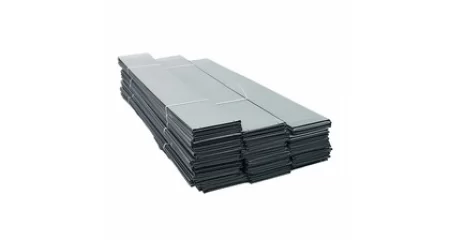
HULK Metal offers EG finishes at 40, 80 and 275 g/m2. The finish code stays visible in the quotation and product description instead of disappearing into “galvanized”.
Edge Exposure Made Explicit
Because EG is applied to coil before cutting, the drawing and delivery checks identify cut edges, punched holes, weld points and field cuts that need protection.
Route-Wide Interface Control
Straight sections, bends, tees, couplers, clamps and covers are reviewed with one side-rail and hole pattern so the EG route assembles without field rework.
First-Article Acceptance
The first delivery can be checked for section, rung spacing, finish evidence, cut-edge condition, trial fit and packing before the batch is released.
Inquire Now
Cable Ladder System
EG Ladder Fabrication and Finish Handoff
The production route follows the approved section drawing and keeps the coil finish, punched geometry, first article and packing condition connected to one order reference. The review points focus on where the EG surface is interrupted and how the delivered run will remain suitable for a dry indoor route.


Straight EG Sections, HDG Sections and Route Fittings
The straight section carries the cable load, while fittings set the route and finishing limits. Review the generic and HDG section owners together with the matching turns and covers so the selected EG finish is not forced onto an interface or environment that requires a different treatment. Choosing these parts as one package also keeps fasteners, labels and touch-up responsibilities on the same approved drawing.
-
 Hot-Dip Galvanized Straight Cable Ladder Sections for Heavy-Duty Cable Runs
Specify an HDG cable ladder by section, support span and zinc class, then verify coating coverage, drainage, dimensions and fit before release.
READ MORE
-
Cable Ladder Cover Plates for Mechanical Protection and Dust Control
Specify a cable ladder cover by side-rail fit, panel edge, joint, clamp profile, material, finish and route conditions. The page separates dust and impact protection from any claim of a sealed enclosure.
READ MORE
-
Pre-Galvanized Perforated Cable Tray Straight Sections for Control and Signal Cables
P1-01A pre-galvanized perforated cable tray straight sections support dry indoor control and signal routes, with EG coating classes, flexible dimensions, compatible accessories and documented quality checks.
READ MORE
-
Hot-Dip Galvanized Perforated Cable Tray Straight Sections for Outdoor Runs
Hot-dip galvanized perforated cable tray straight sections combine ventilated cable support, three HULK zinc options and catalog load data for exposed industrial routes.
READ MORE
-
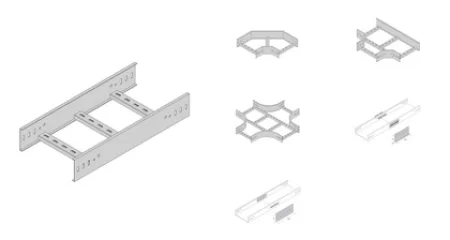
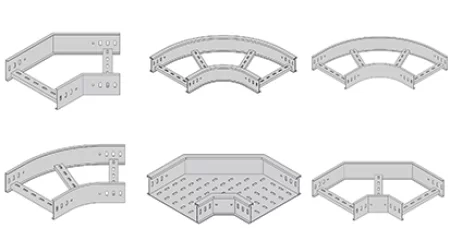
Horizontal Elbow Cable Ladder Rack Fittings
Horizontal elbows route cable ladders around obstacles while maintaining continuous support. HULK Metal offers full OEM services for elbows from 50 mm to 1200 mm widths, in any material and coating combination.
READ MORE
-
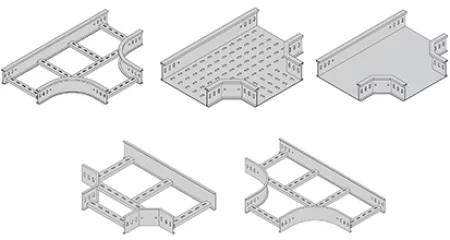
Horizontal Tee Cable Ladder Fittings
A horizontal tee isn’t a commodity—it’s a structural junction that reveals how well a manufacturer controls cutting, forming, welding, and coating.
READ MORE
-
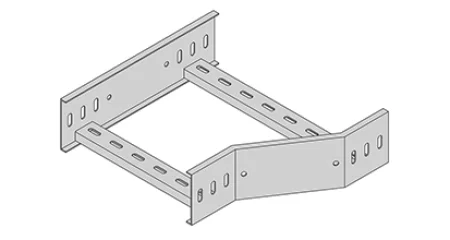
Right Reducer Cable Ladder Rack
Right reducers appear simple, but poor fabrication leads to misalignment, cable stress, and costly delays. I’ll share factory-floor insights.
READ MORE
-
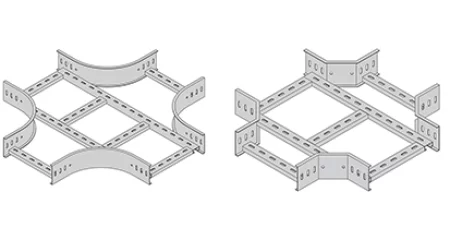
Horizontal Cross in Cable Ladder System
The horizontal cross is a crucial intersection in cable ladder networks, demanding precise geometry and robust construction. Our OEM service extends beyond simple branding: we tailor dimensions, surface finishes, and even rung spacing to your project specs.
READ MORE
-
Straight Cable Ladder Cable Ladder Rack
The straight cable ladder is not just a simple tray section. It's the primary load-bearing element that spans between supports. Its material, dimensions, and manufacturing quality directly determine whether cables are properly supported or whether the entire system sags, corrodes, or fails inspection.
READ MORE
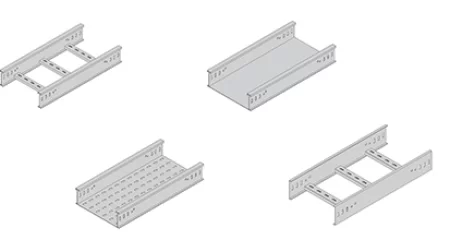
More Results
-
![Cable Ladder Incoming Inspection: The 7 Checks Buyers Keep Missing]()
October 08, 2026
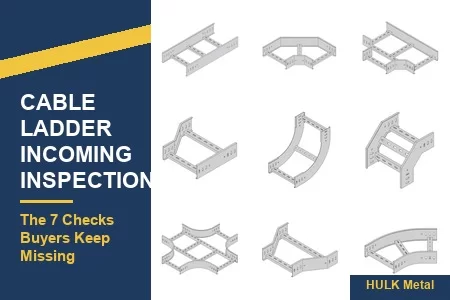
Cable Ladder Incoming Inspection: The 7 Checks Buyers Keep Missing
READ MORE
-
![Where Cables Enter and Leave a Cable Ladder System: Transitions, Bend Radius and Edge Protection]()
September 30, 2026
Where Cables Enter and Leave a Cable Ladder System: Transitions, Bend Radius and Edge Protection
READ MORE
-
![All 49 Cable Ladder Sizes, Their Published Load and Their Unit Weight]()
September 22, 2026
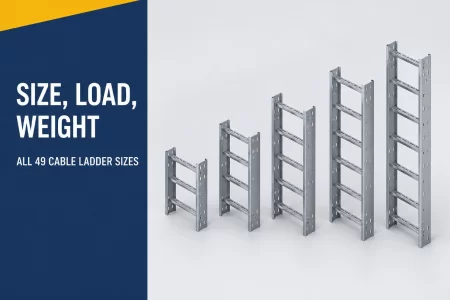
All 49 Cable Ladder Sizes, Their Published Load and Their Unit Weight
READ MORE
-
![Cable Ladder Fittings Must Match the Straight-Section Load Class]()
September 11, 2026
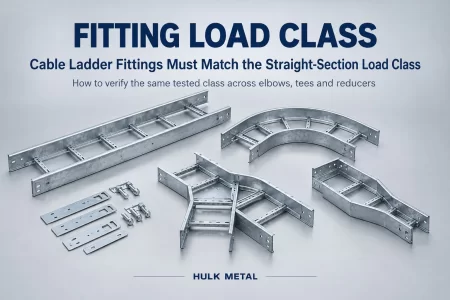
Cable Ladder Fittings Must Match the Straight-Section Load Class
READ MORE