Learn how to select the HDC family by H value and support interface, and when a bolted hold-down bracket is the correct restraint instead.

Six fixed HDC heights and one clear checking sequence for rail fit, support fixing and first-delivery acceptance
Cable Ladder Hold Down Clamp HDC-50 to HDC-200
Industries
-
- Cable Ladder Hold Down Clamp HDC-50 to HDC-200
- Cable Ladder Cover Plate Fit, Joints and Service Access
- Cable Ladder Cover Plates for Mechanical Protection and Dust Control
- Left Reducer Cable Ladder Rack
- Horizontal Elbow Cable Ladder Rack Fittings
- Horizontal Tee Cable Ladder Fittings
- Middle Reducer Cable Ladder Rack
- Right Reducer Cable Ladder Rack
- Vertical External Bend Cable Ladder Fittings
- Vertical Internal Bend Cable Ladder Fittings
- Horizontal Cross in Cable Ladder System
- Straight Cable Ladder Cable Ladder Rack
-
- Vertical Tee Fitting-B Cable Trunking Fittings for Vertical Branches
- Vertical Tee Fitting-A Cable Trunking Fittings for Vertical Branches
- Vertical Internal Bend Cable Trunking Fittings for Level Changes
- Vertical External Bend Cable Trunking Fittings for Level Changes
- Vertical Cross Fitting-B Cable Trunking Fittings for Four-Way Junctions
- Vertical Cross Fitting-A Cable Trunking Fittings for Four-Way Junctions
- Upward Vertical Turning Elbow Fittings for Rising Trunking Runs
- Upper Vertical Tee-B Cable Trunking Fittings for Rising Branches
- Upper Vertical Tee-A Cable Trunking Fittings for Rising Branches
- Upper Horizontal Cross-B Cable Trunking Fittings for Four-Way Junctions
- Upper Horizontal Cross Cable Trunking Fittings for Four-Way Junctions
- Slope Turn Cable Trunking Fittings for Inclined Routes
- Right-Bottom Vertical Tee Fittings for Descending Trunking Branches
- Right-Bottom Vertical Elbow Fittings for Descending Trunking Runs
- Right Upper Vertical Tee Fittings for Rising Trunking Runs
- Right Upper Vertical Elbow Fittings for Rising Trunking Runs
- Left-Bottom Vertical Tee Fittings for Cable Trunking Drops
- Bell Mouth Fittings for Cable Trunking Entry Points
- Left-bottom Vertical Elbow
- Left Upper Vertical Tee
- Left Upper Vertical Elbow
- Horizontal Eccentric Elbow
- Bottom Horizontal Cross-b Cable Trunking Fittings
- Bottom Horizontal Cross
- Cable Trunking Right Reducer
- Middle Reducer Cable Trunking Fittings
- Left Reducer Cable Trunking Fittings
- Horizontal Tee Cable Trunking Fittings
- Horizontal Elbow Cable Trunking Fittings
- Horizontal Cross Cable Trunking Fittings
- Cable Trunking Systems in HDG, EG, ZAM and PC Finishes
-
- Cable Tray Support Systems: C-Channel Brackets, Hangers and Ceiling Supports
- 45 Degree Perforated Cable Tray Elbow for Gradual Horizontal Turns
- ZAM Coated Perforated Cable Tray for Coastal and Marine Cable Routes
- Aluminum Perforated Cable Tray for Lightweight Ventilated Routing
- Stainless Steel Perforated Cable Tray (304/316) for Corrosive and Clean Environments
- Pre-Galvanized Perforated Cable Tray Straight Sections for Control and Signal Cables
- Hot-Dip Galvanized Perforated Cable Tray Straight Sections for Outdoor Runs
- Widening Connector Plates That Join Perforated Cable Trays at Different Heights
- Wall Brackets That Mount a Perforated Cable Tray to a Side Wall
- Vertical Internal Bend Fittings for Perforated Cable Tray Level Changes
- Vertical External Bend Fittings for Perforated Cable Tray Level Changes
- Under Floor Stand for Ground-Level Cable Tray Support
- Vertical Adjust Coupler for Cable Tray Level Changes
- U Bracket Lifting Support Crossbar for Cable Tray
- Tray Carrier for Perforated Cable Tray Joints
- Threaded Rod for Ceiling Cable Tray Suspension
- Cable Tray Right Reducer for Width Changes
- Cable Tray Raise Connection Piece for Height Transitions
- Outside Straight Coupler for Perforated Cable Tray
- Middle Reducers That Narrow a Perforated Cable Tray Run Evenly
- Left Reducers That Step Down Perforated Cable Tray Widths
- Inside Straight Coupler for Perforated Cable Tray
- Horizontal Cross Fittings for Perforated Cable Tray Systems
- Horizontal Tee Fittings for Perforated Cable Tray Systems
- Hold Down Brackets That Lock Perforated Cable Trays to Their Supports
- 90° Horizontal Elbow for Perforated Cable Tray Systems
- Perforated Cable Tray Dividers for Power, Control and Signal Separation
- Cover Clamp 2 for Securing Cable Tray Covers
- Cover Clamp 1 for Securing Cable Tray Covers
- Ceiling Bracket-A with Vertical Posts for Cable Tray Support
- Ceiling Bracket with Vertical Posts for Cable Tray Support
- C Double Channel 83x41 Bracket for Heavy Cable Tray Support
- C Channel Hanging Support 83x41 for Heavy-Duty Cable Tray Suspension
- C Channel Hanging Support 41x41 for Cable Tray Suspension
- C Channel 41x41 Brackets That Carry Tray and Pipe Supports
- C Channel 41x41 for Cable Tray Support Framing
- Cable Tray Bracket Frame for Ceiling Support
- Cable Tray Bonding Jumper for Electrical Continuity
- Cable Tray Bolt and Nut for Ceiling Suspension
- Straight Perforated Cable Trays Built for Ventilation and Load
- Perforated Cable Tray Blind Ends That Close Tray Runs Cleanly
- Angle Bar Bracket for Cable Tray Support Systems
-
- Wire Mesh Cable Tray Y Junction for Angled Branch Routing
- Wire Mesh Cable Tray Straight Section
- WA-PB Wall Brackets with Upper Snap-Ons for Wire Mesh Cable Tray
- Wire Mesh Cable Tray V Connector for Raised-Floor Support
- Strengthening Bars for Wire Mesh Cable Tray Straight Joints
- HULK Metal Wire Mesh Cable Tray Standard Tee for Continuous Branch Routing
- Wire Mesh Cable Tray Spider Bracket: Flat Fixing to Wall or Floor
- Side Bottom Buckle: The Fixing Point When No Bracket Fits
- Radian Connector: The Curved Bar Behind a Wire Mesh Tray Bend
- M Shape Bars for Wire Mesh Cable Trays: Ceiling Suspension Sized by Tray Width
- L-Shaped Wall Brackets for Wire Mesh Cable Trays on Side Walls
- Hold Down Coupler for Wire Mesh Cable Tray: Wire-Matched Clamping for Risers and Supports
- Hanging Hook for Wire Mesh Cable Tray: Threaded Rod Suspension, Sized by Rod Diameter
- Hanging Brackets for Wire Mesh Cable Trays: Ceiling Suspension Sized by Load Path
- Fastlock Brackets That Lock Mesh Tray Onto C Channel Without Bolts
- Push-In Splicers That Close Mesh Tray Joints Without Bolts
- Flush Drop In Anchors for Cable Tray Ceiling Fixing
- Cross Clips That Lock 90 Degree Wire Mesh Tray Crossings
- One Clamp, Five Fittings: The KK34 Wire Mesh Coupler
- KK28 Coupler: How Two Clamp Halves Join Wire Mesh Tray Sections
- Corner Strength Bars That Reinforce Wire Mesh Tray Tees and Crosses
- Cable Guiders That Protect Wire Mesh Tray Drop-Out Points
- C Channel Brackets That Fix Wire Mesh Tray to Support Framing
- C Channel Support Framing for Wire Mesh Cable Tray Runs
- Two-Level Bridge Type Floor Stands for Wire Mesh Cable Tray
- Bridge Type Floor Stands That Hold Mesh Tray Runs Above the Floor
- Adjustable Connectors That Join Wire Mesh Cable Trays at Field-Measured Angles
- Floor Stands Sized for 100 mm Wire Mesh Cable Tray
- 90 Degree Internal Riser Fittings for Wire Mesh Cable Tray Systems
- Factory-Made 90 Degree Horizontal Bends for Wire Mesh Cable Tray
- Floor Stands That Carry 50 mm Wire Mesh Cable Tray
- Factory-Made 45 Degree External Riser Fittings for Wire Mesh Cable Tray
- 45 Degree Horizontal Bend for Wire Mesh Cable Tray
-
- Custom Wall Mount Network Rack
- Heavy Duty Network Server Cable Management
- Custom OEM Server Rack Blank Panels
- Custom Network Server Tray
- Wall Mount Network Racks
- Network Server Rack Tray Brackets
- 1U 2U 3U 4U Server Rack Blank Panels
- 18 to 47U Network Server Cabinets
- Network Server Rack Cable Management
- 18 to 47U Network Server Rack
-
- Laser Cutting Metal Parts Factory
- OEM Server Switch Rack Enclosure Cabinet
- Custom Metal Brackets Factory In China
- Carbon Steel Stamping Parts Factory in China
- Sheet Metal Spinning Parts Factory In China
- Stainless Steel Stamping Parts Factory In China
- Aluminum Stamping Parts Factory In China
- Sheet Metal Parts Manufacturer In China
- Precision Metal Stamping Parts Manufacturer
- OEM Auto Metal Stamping Parts Factory
- Stamped Steel Parts Factory
- Metal Stamping Parts Factory
- China OEM Metal Stamping Parts
-
Features
-
Capacities
-
Description
-
Factories Visit
-
Benefits
-
Related Products
-
Articles
-
Top


Cable Ladder Hold Down Clamp HDC-50 to HDC-200
Six Defined H Values
HDC-50 through HDC-200 give the project a clear height range to compare with the rail seat, support drawing and approved fixing detail.
Fast Horizontal Fixing
The clamp is intended for light horizontal runs where quick accessory installation supports a controlled maintenance and cable-pulling sequence without extra setup steps.
Clear Restraint Boundary
The published HDC duty is separated from bolted vertical and seismic restraint, helping buyers avoid an unsafe product substitution during procurement.
First-Fit Verification
A dry-fit, support-contact and post-fixing check creates an inspectable first assembly before the crew repeats the method along the full route.
Traceable Order Data
Drawing, H value, finish, support interface and quantity can stay linked from quotation through first-lot inspection, packing and the next repeat order.
Inquire Now
Cable Ladder System
Production Route for HDC Clamp Batches
HULK Metal coordinates the clamp, cable ladder support family, inspection and packing through one production chain. Project-specific HDC details remain controlled by the released drawing and approved batch plan, so the production route follows the approved fit and finish rather than a generic accessory description.


Cable Ladder Support Products Used With HDC Clamps
These product families support the clamp selection. Confirm the support profile, finish and fixing method before combining them in one order, because the clamp is selected against the installed interface rather than a generic ladder category. The straight ladder establishes the rail, the bracket page shows the bolted alternative for heavier duty, and the C channel page provides the support-interface context needed for a complete fixing review.
-
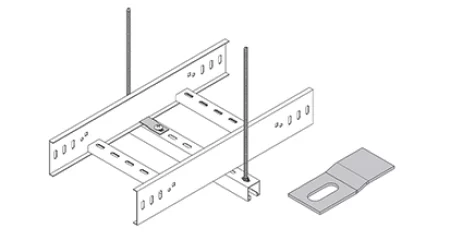
 Hold Down Brackets That Lock Perforated Cable Trays to Their Supports
HULK Metal hold down brackets HDB-50 to HDB-200 fix perforated cable trays to C Channel 41x41 supports, with custom heights and finishes.
READ MORE
-
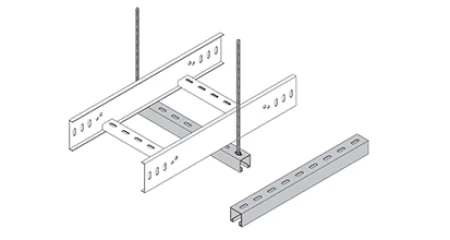
C Channel 41x41 for Cable Tray Support Framing
HULK Metal C channel 41x41 framing for cable tray supports, in perforated and solid profiles with PG or HDG finish and spring nut fixing.
READ MORE
-
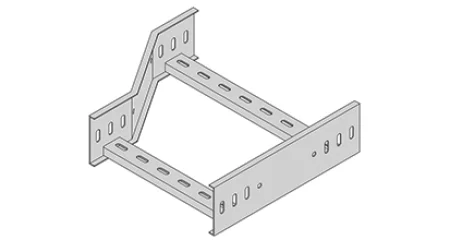
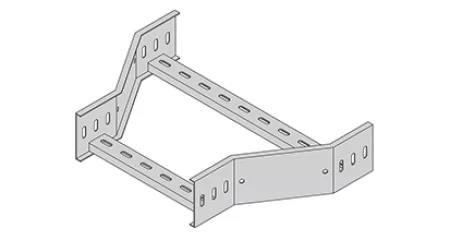
Left Reducer Cable Ladder Rack
A left reducer transitions the cable ladder width from a larger section to a smaller one, with the reduction occurring on the left side of the tray.
READ MORE
-
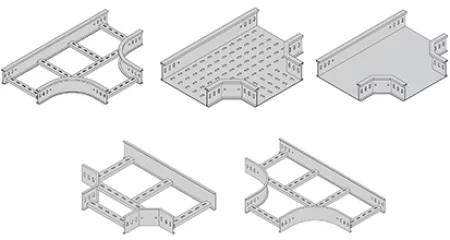
Horizontal Tee Cable Ladder Fittings
A horizontal tee isn’t a commodity—it’s a structural junction that reveals how well a manufacturer controls cutting, forming, welding, and coating.
READ MORE
-
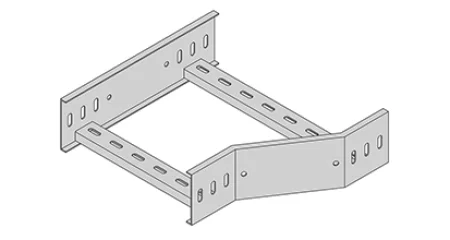
Middle Reducer Cable Ladder Rack
A middle reducer connects two straight ladder sections of different widths, maintaining cable support continuity when the tray width must change due to varying cable counts or routing requirements.
READ MORE
-
Right Reducer Cable Ladder Rack
Right reducers appear simple, but poor fabrication leads to misalignment, cable stress, and costly delays. I’ll share factory-floor insights.
READ MORE
-
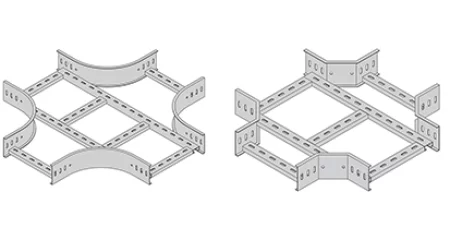
Horizontal Cross in Cable Ladder System
The horizontal cross is a crucial intersection in cable ladder networks, demanding precise geometry and robust construction. Our OEM service extends beyond simple branding: we tailor dimensions, surface finishes, and even rung spacing to your project specs.
READ MORE
-
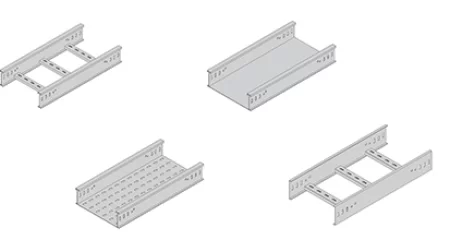
Straight Cable Ladder Cable Ladder Rack
The straight cable ladder is not just a simple tray section. It's the primary load-bearing element that spans between supports. Its material, dimensions, and manufacturing quality directly determine whether cables are properly supported or whether the entire system sags, corrodes, or fails inspection.
READ MORE
More Results
-
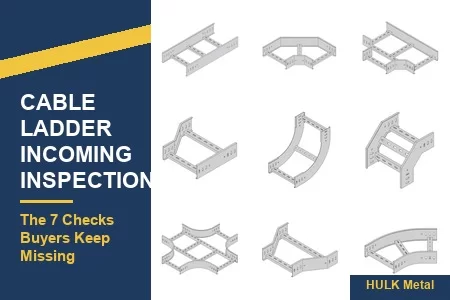
![Cable Ladder Incoming Inspection: The 7 Checks Buyers Keep Missing]()
October 08, 2026
Cable Ladder Incoming Inspection: The 7 Checks Buyers Keep Missing
READ MORE
-
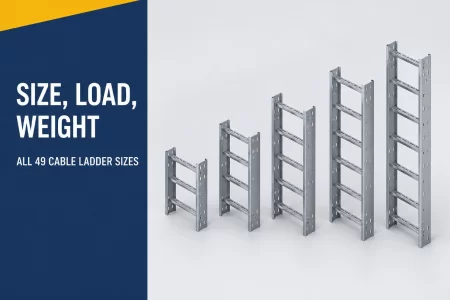
![All 49 Cable Ladder Sizes, Their Published Load and Their Unit Weight]()
September 22, 2026
All 49 Cable Ladder Sizes, Their Published Load and Their Unit Weight
READ MORE
-
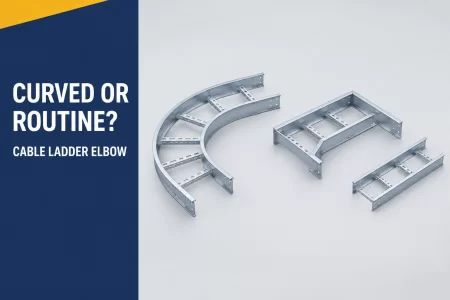
![Curved or Routine? Choosing the Right Cable Ladder Elbow for the Route]()
September 21, 2026
Curved or Routine? Choosing the Right Cable Ladder Elbow for the Route
READ MORE
-
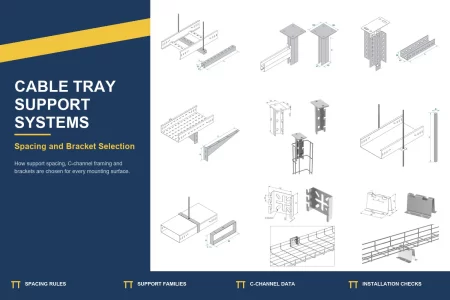
![Cable Tray Support Spacing and Bracket Selection: A Field Guide]()
September 11, 2026
Cable Tray Support Spacing and Bracket Selection: A Field Guide
READ MORE